
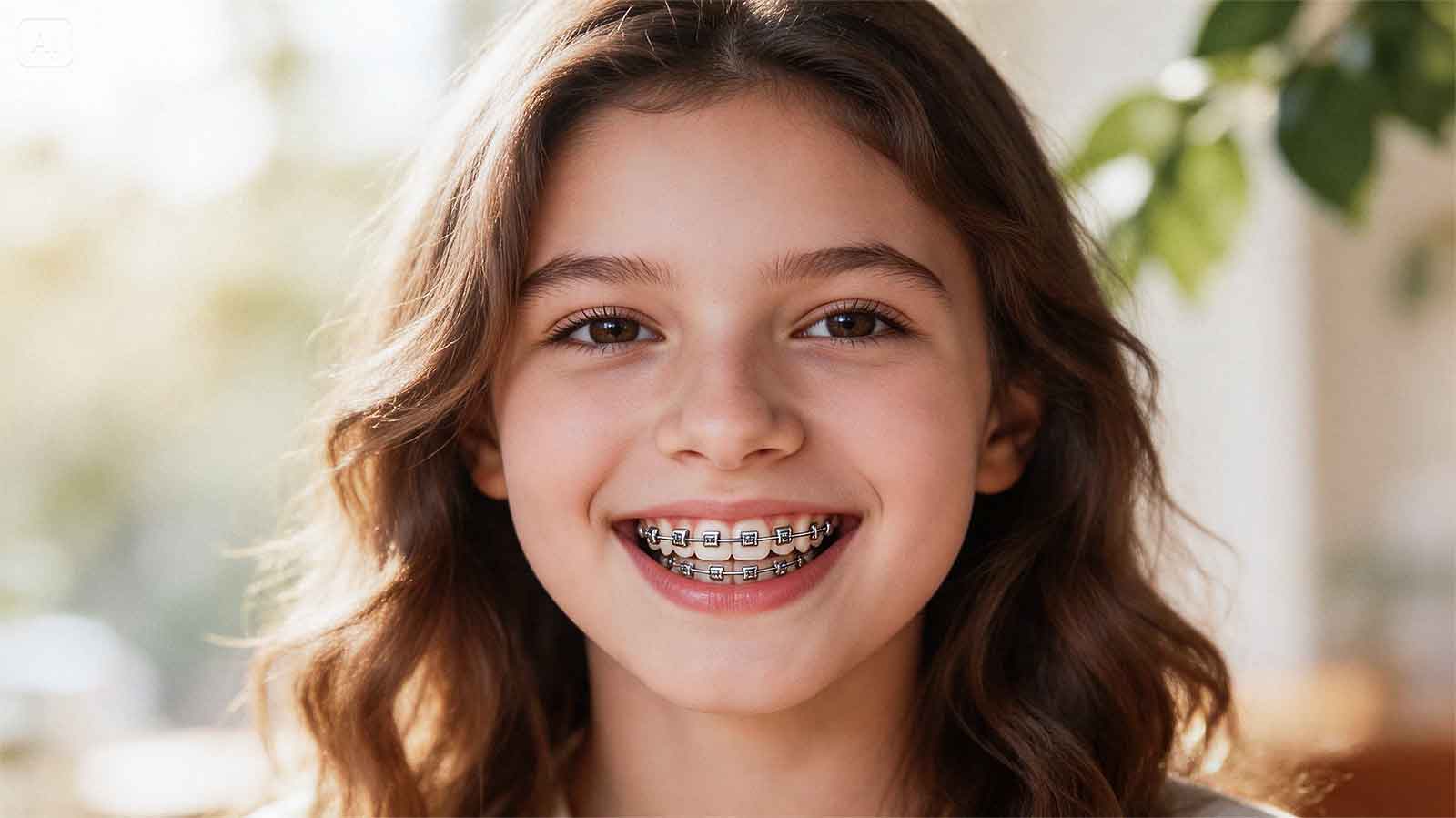
Traditional Metal Braces at DFW Miller Dental
When it comes to achieving a perfect smile and healthy teeth, braces are often the go-to solution. But let’s be real: the thought of braces can be a little intimidating, right? Don’t worry—this guide will break down everything you need to know about braces so you can make an informed decision.
Who Needs Braces?
Traditional metal braces can help children, teenagers, and adults address orthodontic concerns such as:
• Crowded or overlapping teeth
• Bite alignment problems, including overbites, underbites, and crossbites
• Gaps or spaces between teeth
At DFW Miller Dental, our dentist can evaluate your teeth and bite to help determine whether traditional metal braces are an appropriate treatment option.
How Do Braces Work?
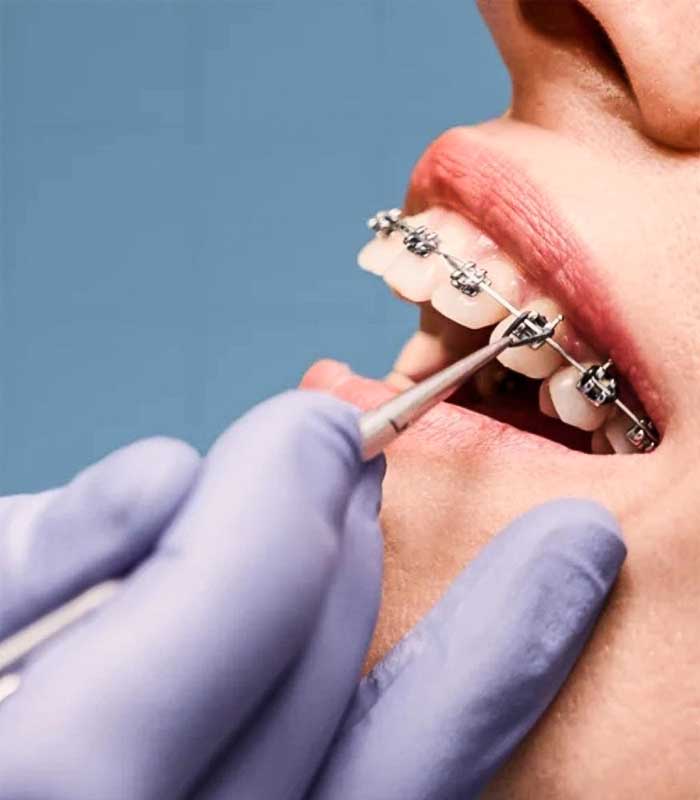
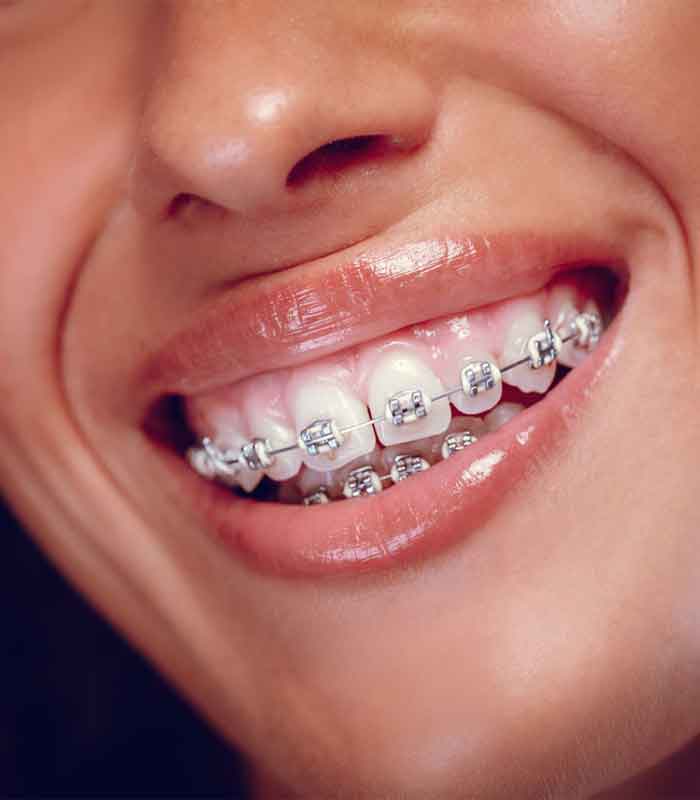
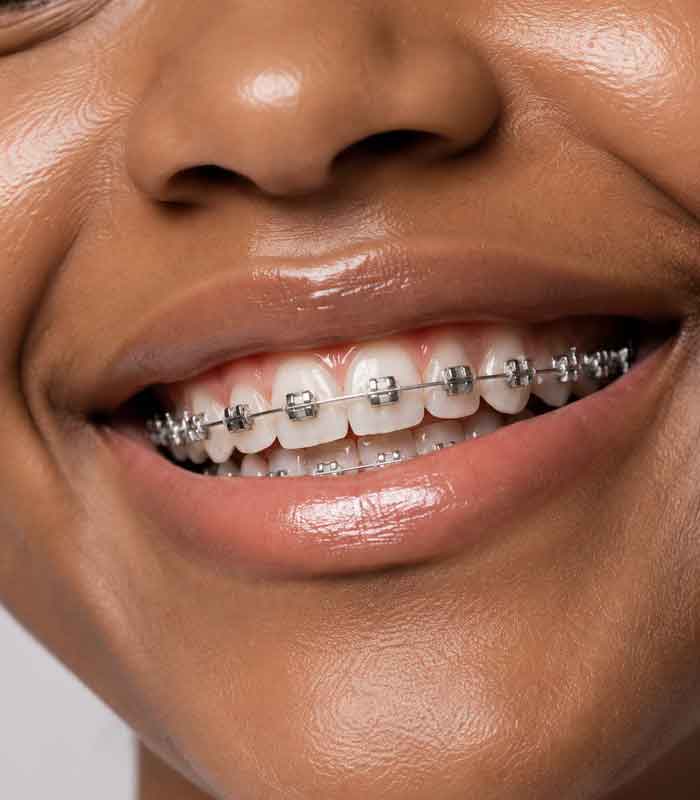
Traditional metal braces use brackets attached to the teeth and an archwire to apply gentle, controlled forces that gradually move teeth into better alignment. During treatment, your dentist monitors your progress and makes adjustments as needed. In some cases, elastic bands are also used to help correct bite alignment.
Looking for a More Discreet Teeth-Straightening Option?
Traditional metal braces aren’t the only option for straightening teeth. DFW Miller Dental also offers Invisalign clear aligners, a removable alternative that may be appropriate for certain orthodontic needs.
Learn more about our Invisalign clear aligners and ask our dentist which treatment option may be right for you.
Because teeth move gradually, orthodontic treatment takes time, and the length of treatment varies depending on each patient’s needs.
The Braces Treatment Process
1. Initial Consultation: Your dentist examines your teeth and bite, discusses your orthodontic goals, and determines whether traditional metal braces are an appropriate treatment option.
2. Braces Placement: Metal brackets are attached to your teeth and connected with an archwire that helps guide your teeth into better alignment.
3. Regular Adjustments: Throughout treatment, you’ll attend follow-up appointments so your dentist can monitor progress and adjust your braces as needed.
FAQs About Braces
What’s the best age to get braces?
There is no single best age to get braces. Many patients begin orthodontic treatment during their teenage years, but children and adults may also benefit from traditional metal braces. The right time depends on tooth development, bite alignment, and individual needs. A dental evaluation can help determine when treatment may be appropriate.
Do braces hurt?
Getting traditional metal braces may cause some pressure or soreness, especially during the first few days after placement or following adjustments. This discomfort is usually temporary and improves as your mouth adjusts. Soft foods and orthodontic wax may help with irritation. If needed, ask your dentist about appropriate over-the-counter pain relief. Contact your dental office if you experience severe or persistent pain.
How much do braces cost?
Traditional metal braces can be a worthwhile investment for patients who want to improve tooth alignment and address certain bite problems. Straighter teeth may also be easier to clean, depending on your individual situation. Treatment requires time, regular appointments, and good oral hygiene, so it’s important to consider both the benefits and commitment involved. Your dentist can help determine whether braces are the right option for your needs.
Are braces worth it?
Interested in traditional metal braces? DFW Miller Dental provides orthodontic treatment at our Fort Worth, Arlington, and Bedford locations. Explore our offices below and schedule a consultation to discuss your treatment options.
Interested in traditional metal braces? DFW Miller Dental provides orthodontic treatment for patients in Fort Worth, Arlington, and Bedford. Choose an office below to learn more
Fort Worth Dental Office
3307 Miller Ave #A, Fort Worth, TX 76119
View Our Fort Worth Office
Arlington Dental Office
3610 S Cooper St #112, Arlington, TX 76015
View Our Arlington Office
Bedford Dental Office
2700 Brown Trail #1, Bedford, TX 76021
View Our Bedford Office

At DFW Miller Dental, our mission is to provide high-quality dental care tailored to meet the unique needs of every patient. We strive to create a welcoming and compassionate environment where patients of all ages feel comfortable.

Quick Links
Fort Wotrth Dental Hours
- Monday - Tuesday: 9:00am – 5:00pm
- Wednesday: Closed
- Thursday - Friday: 9:00am – 5:00pm
- Saturday: Closed
- Sunday: Closed
Arlington Dental Hours
- Monday - Tuesday: 9:00am – 6:00pm
- Wednesday - Thursday: 9:00 - 6:00pm
- Friday: Closed
- Saturday: Closed
- Sunday: Closed
Copyright © 2026 DFW Miller Dental. All rights reserved. Presented by Boss Website Design